

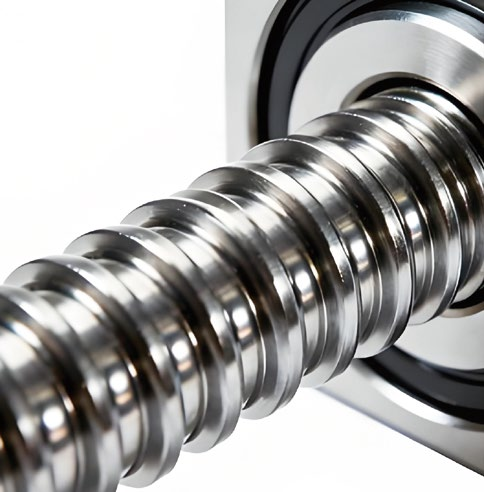
Screws
Raceway Superfinishing & Rolled Screw Descaling
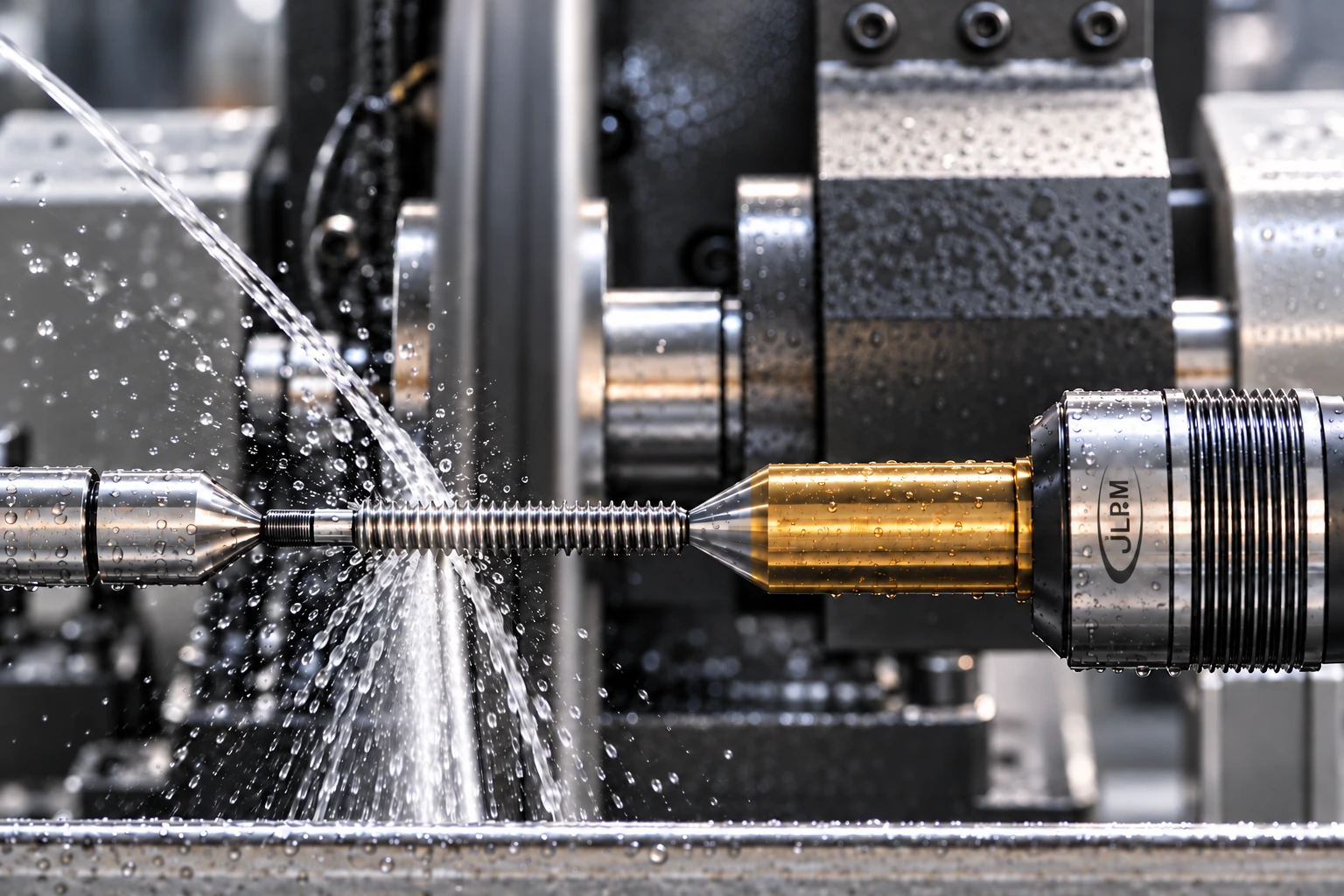
Reduce Noise. Extend Service Life.
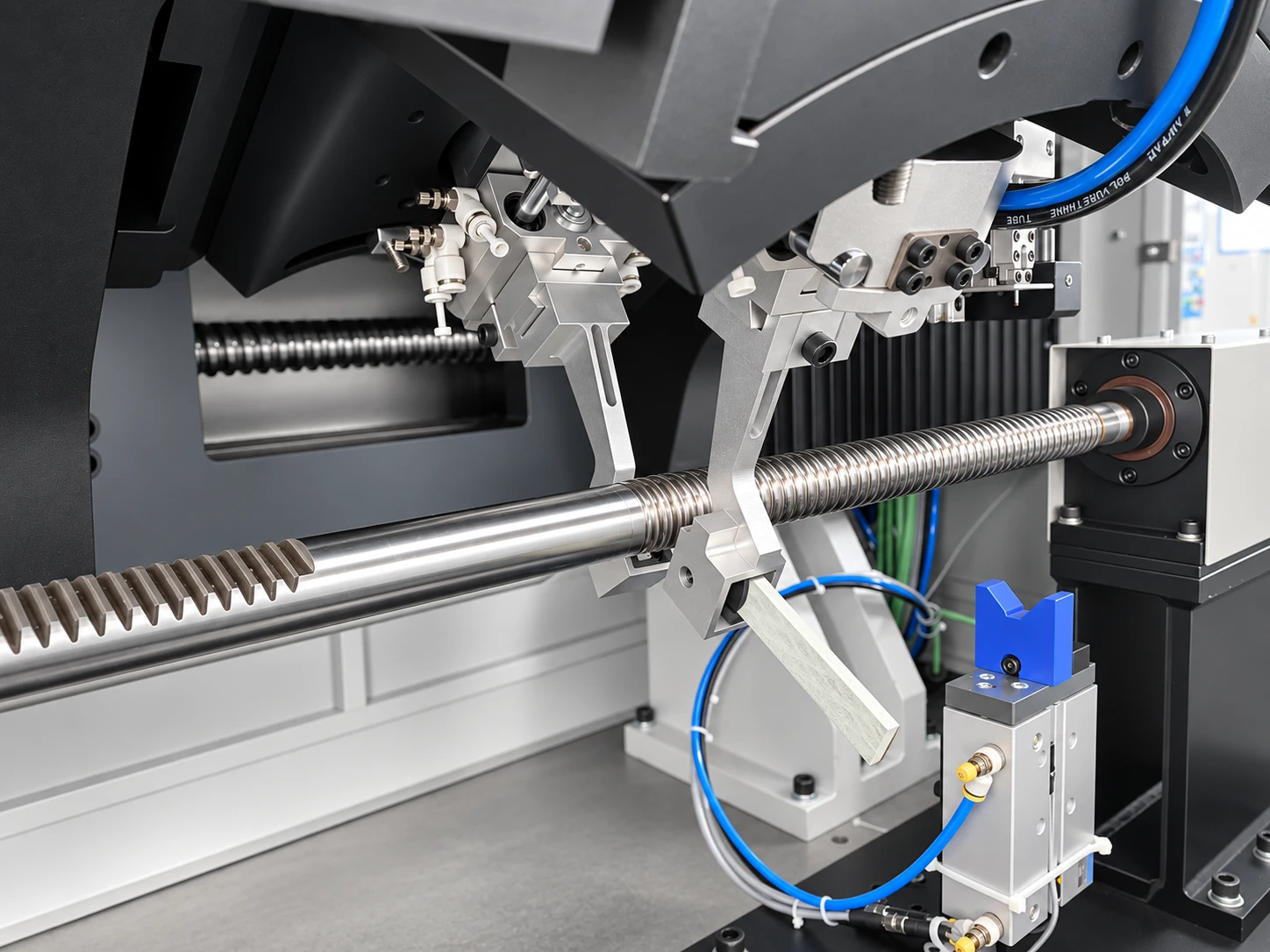
From Surface Quality to Friction and Lubrication
Polishing and superfinishing use abrasive stones, wheels or belts to improve surface properties such as roughness and waviness. Depending on the application, the process removes oxide scale or creates a surface lay that helps reduce friction and retain lubricant, supporting lower noise and longer service life.
Ruiming combines process design with equipment control. Raceway oilstone superfinishing uses direct servo-driven high-frequency oscillation and automatic raceway detection; longitudinal rack-back polishing uses gravity balancing to apply constant pressure. Vertical and horizontal machine configurations are matched to the workpiece and processing area.
Screws, ball nuts, racks and plain shafts require different polishing processes according to the working surface and target finish.
Raceway Superfinishing & Rolled Screw Descaling
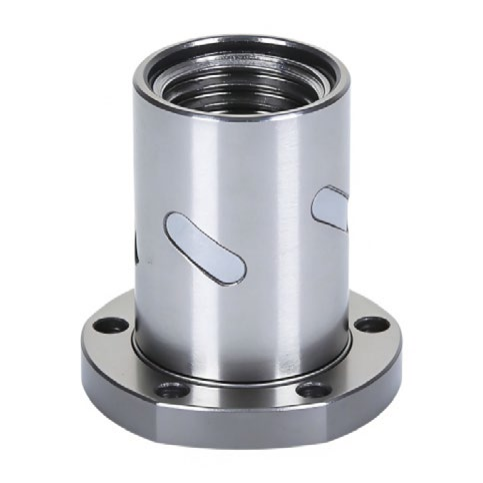
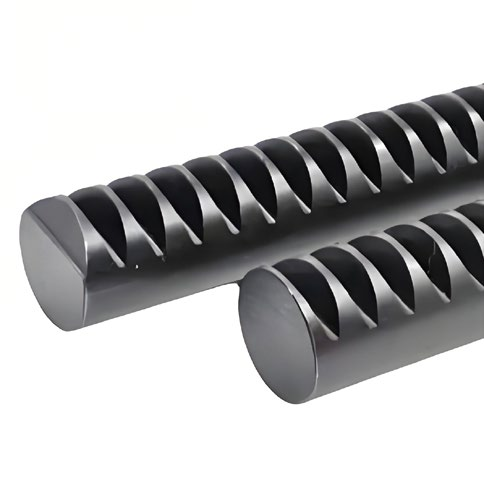
Internal Raceway Oilstone Superfinishing
Longitudinal Polishing, Belt Polishing, Brushing & Deburring
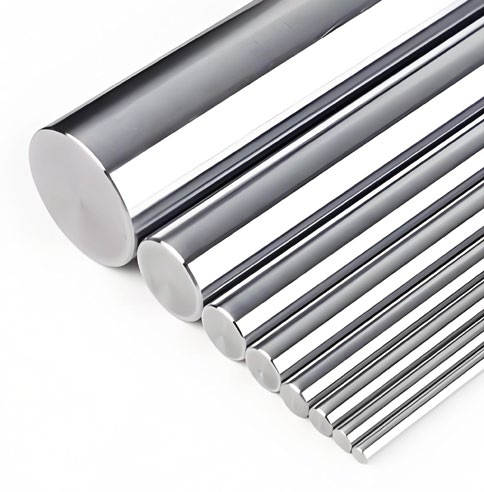
Surface polishing; process selection depends on the workpiece
Share your workpiece drawings, incoming condition and surface requirements so we can assess a suitable process together.
SUPERFINISHING
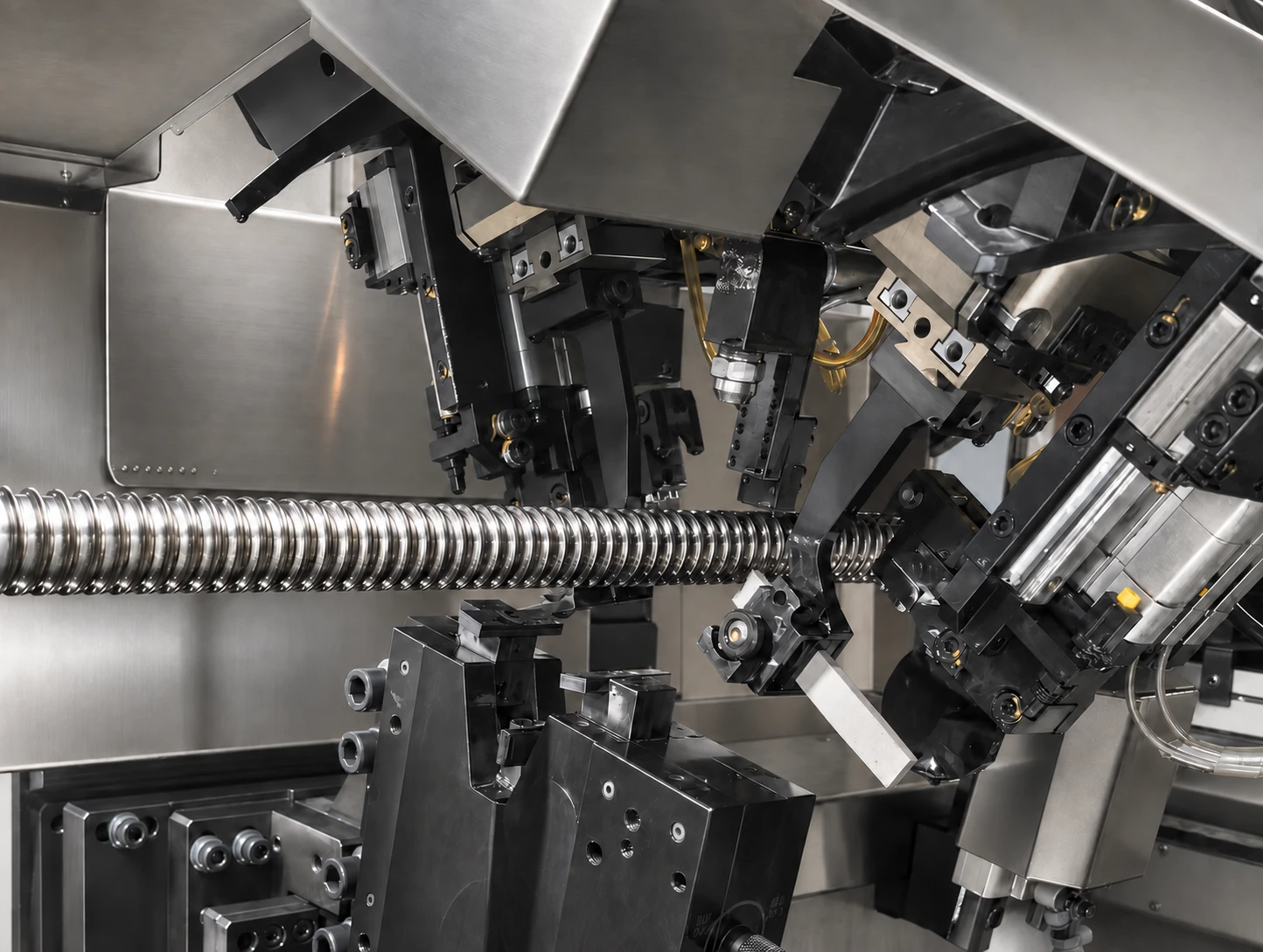
A servo motor directly drives high-frequency oilstone oscillation to improve raceway roughness, waviness and profile accuracy.
High-precision sensors provide automatic raceway detection. As the oilstone wears, screw superfinishing machines feed it automatically; ball nut superfinishing machines replace it automatically.
 The processing image is temporarily unavailable.
CONSTANT PRESSURE
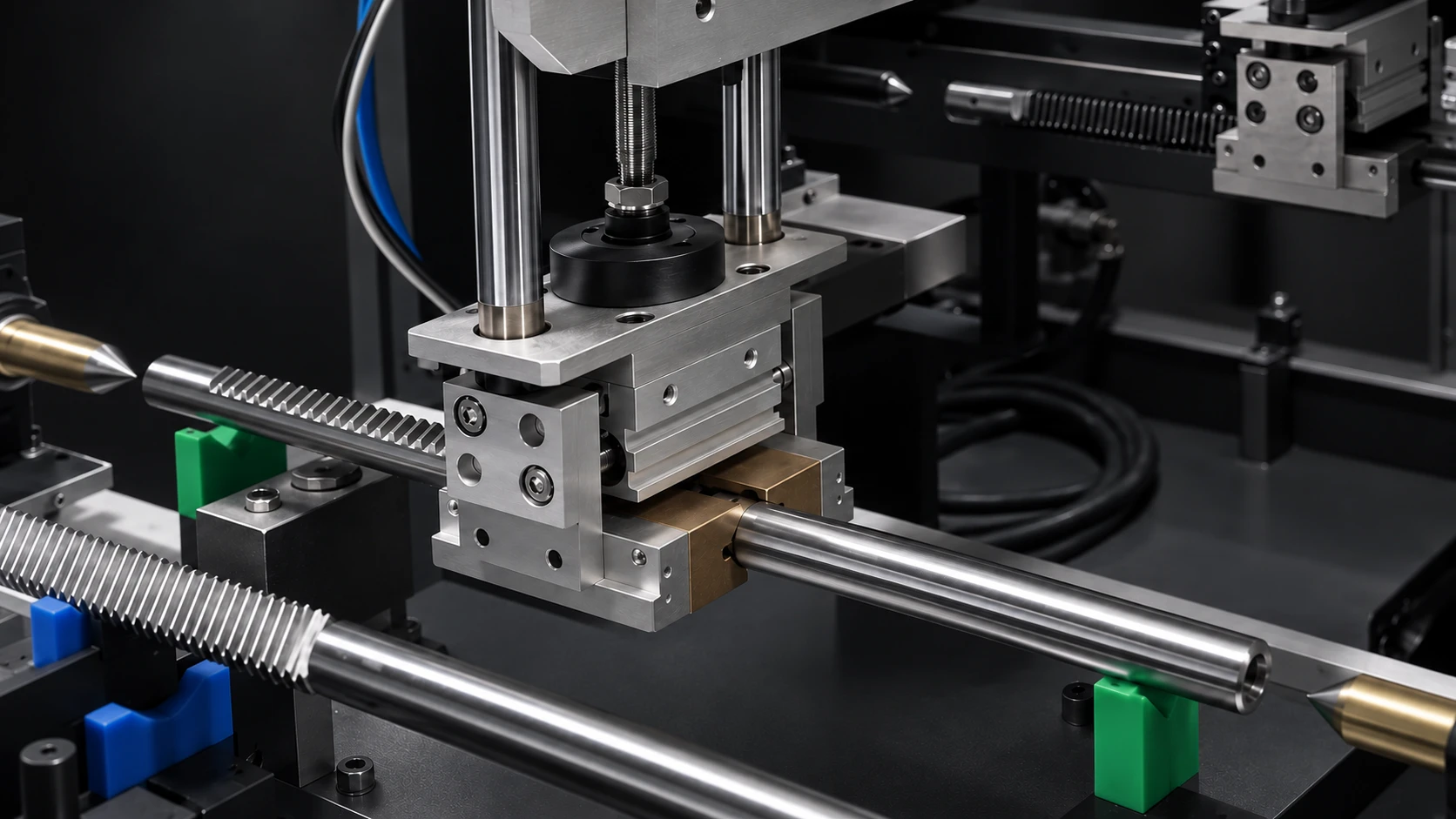
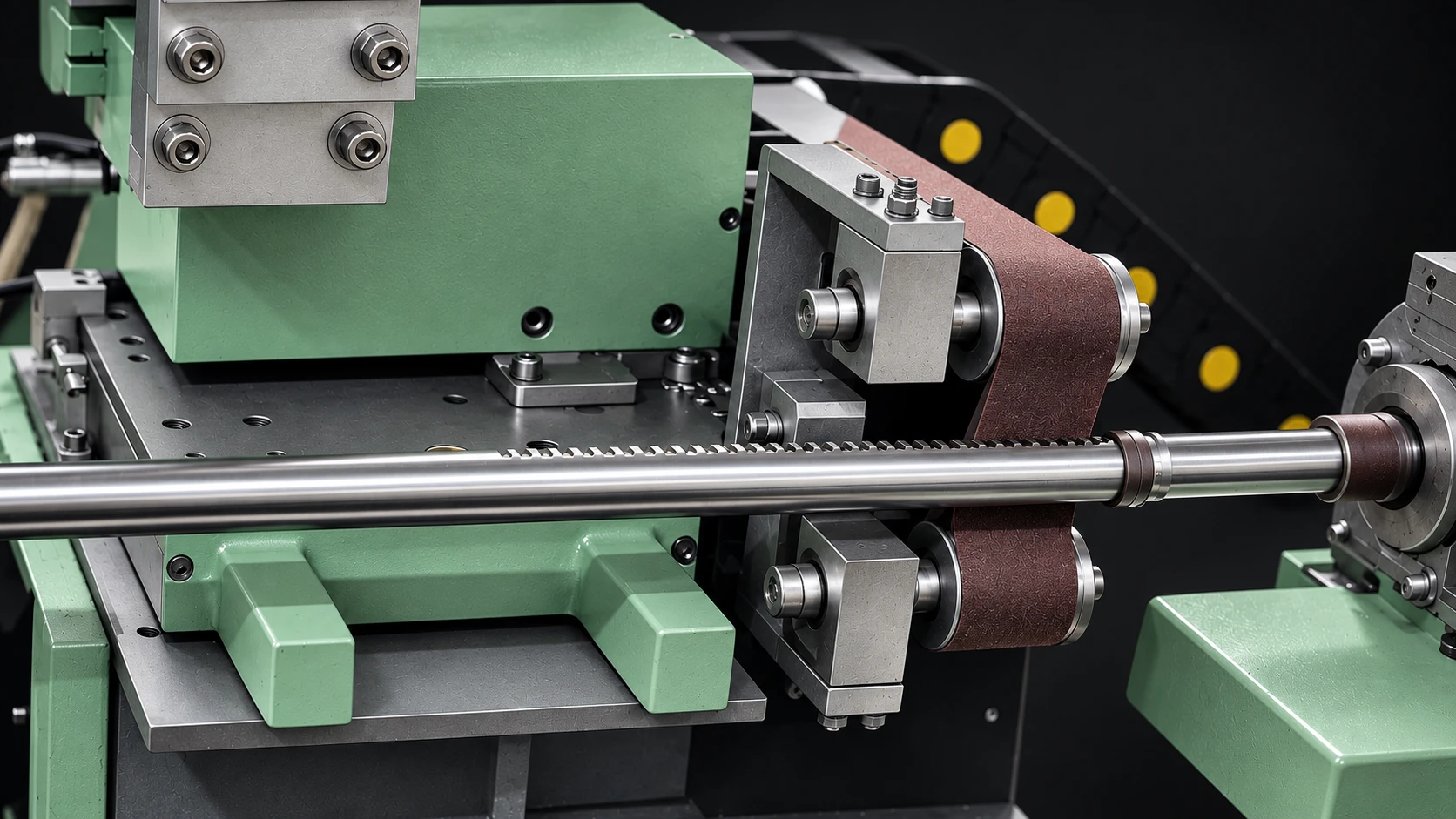
The vertical longitudinal rack-back polishing machine uses a gravity-balanced polishing unit to apply a selectable constant polishing force.
The process produces a lay parallel to the workpiece axis, helping reduce friction and noise. Automatic tool setting and profiling help extend polishing wheel life.
 The processing image is temporarily unavailable.
SURFACE TEXTURE
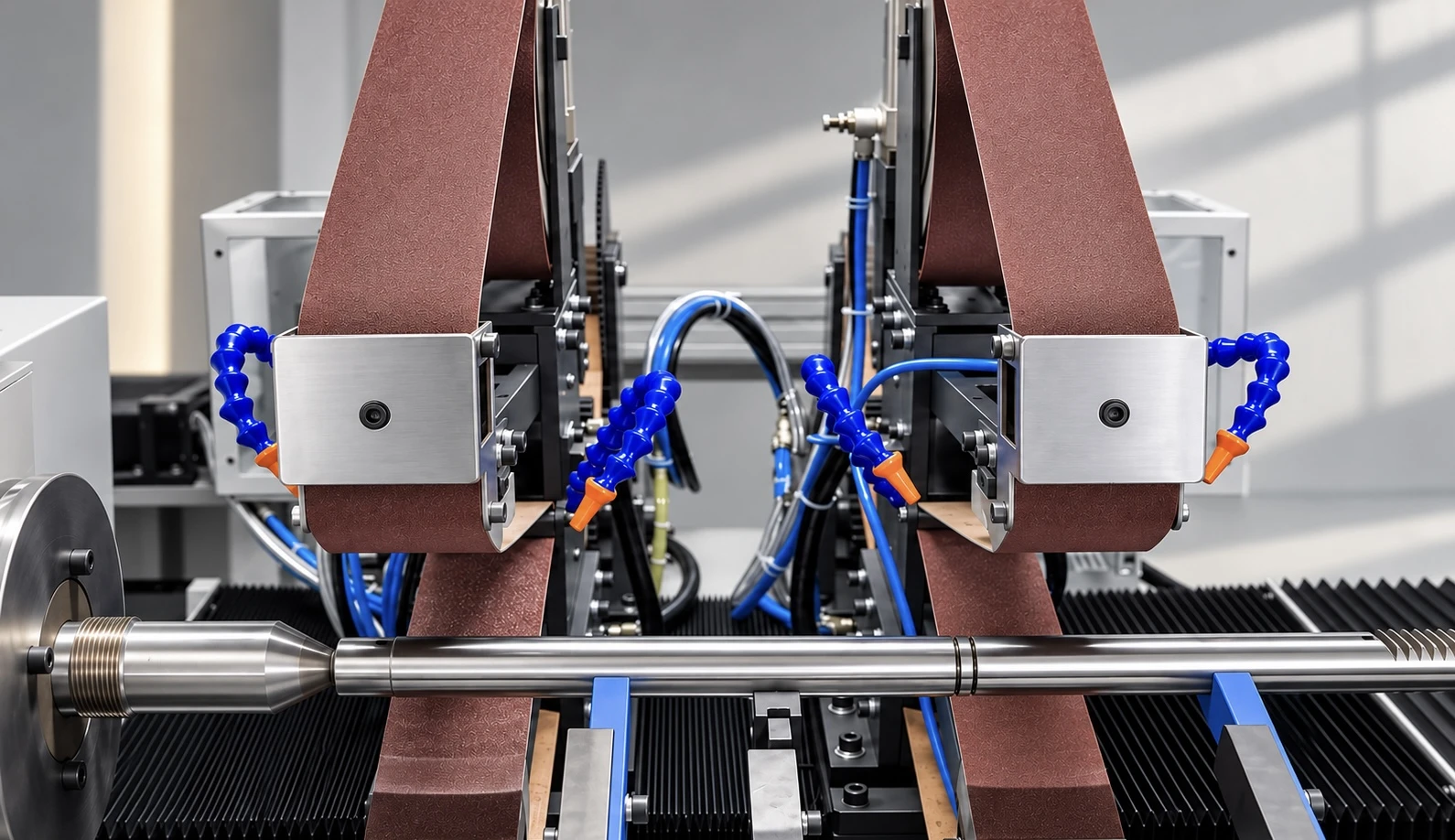
During belt polishing, workpiece rotation combines with high-frequency axial movement of the belt or workpiece to produce a cross-hatch texture that helps retain lubricant and form an oil film.
 The processing image is temporarily unavailable.
DESCALING
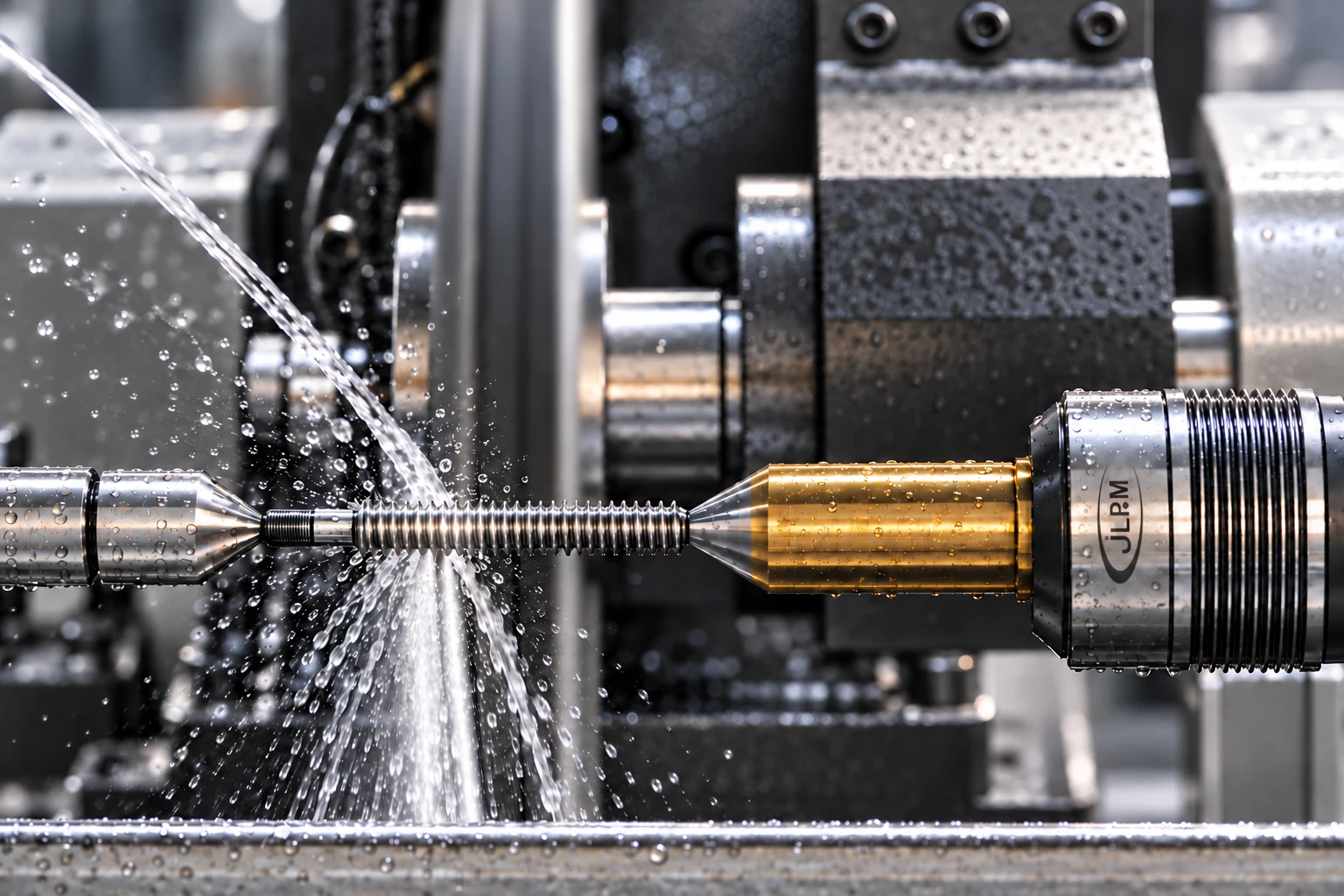
Rolled screw descaling machines feature automatic raceway detection, polishing wheel feed, tool setting and profiling.
Polishing force is set to suit the process. Dust is handled by coolant flushing or extraction.
 The processing image is temporarily unavailable.
INLINE AUTOMATION
Rack tooth-surface polishing and tooth-side deburring machines support automatic tooth-surface detection, loading, unloading and polishing or deburring.
The tooth-surface polishing machine can operate in line with an upstream automatic straightening machine and downstream longitudinal polishing machine.
 The processing image is temporarily unavailable.
Direct servo-driven oscillation. Automatic oilstone feed.
Internal raceway oilstone superfinishing. Automatic oilstone replacement.
Braking & RP screws. Descaling and polishing.
Rolled transmission screws. Automatic wheel profiling.
Gravity-balanced constant force. Longitudinal surface lay.
Rotation and high-frequency axial movement. Cross-hatch surface texture.
Center-driven workpiece. Tooth brushing for descaling.
Abrasive belt and steel brush. Rack tooth-end deburring.
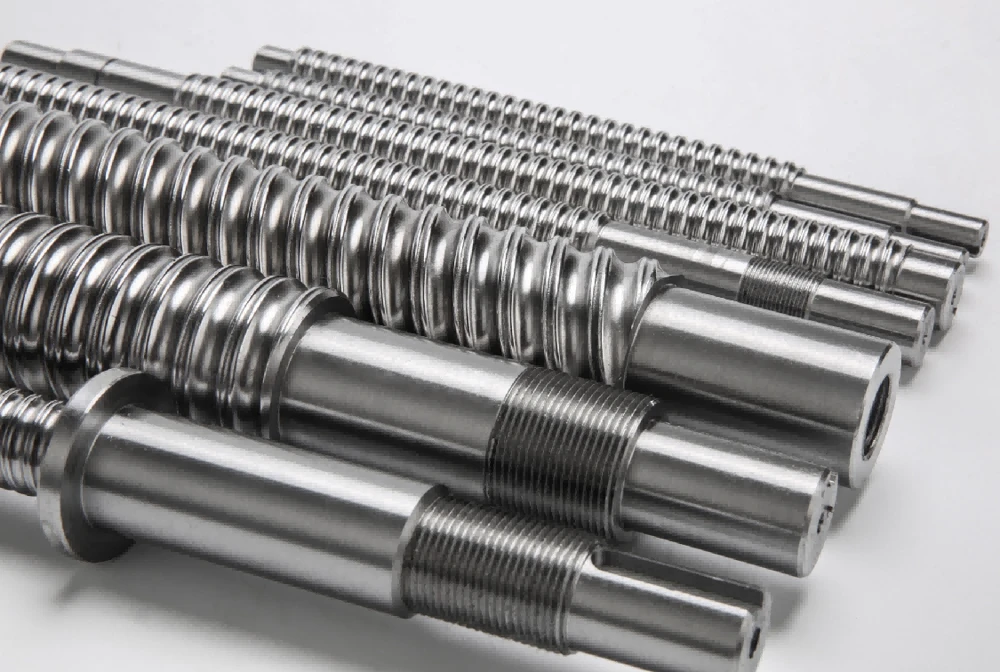
Share drawings, incoming workpiece condition, target surface requirements and cycle time to discuss the process and equipment configuration with Ruiming.
Technical Inquiries jilinruiming@163.com